
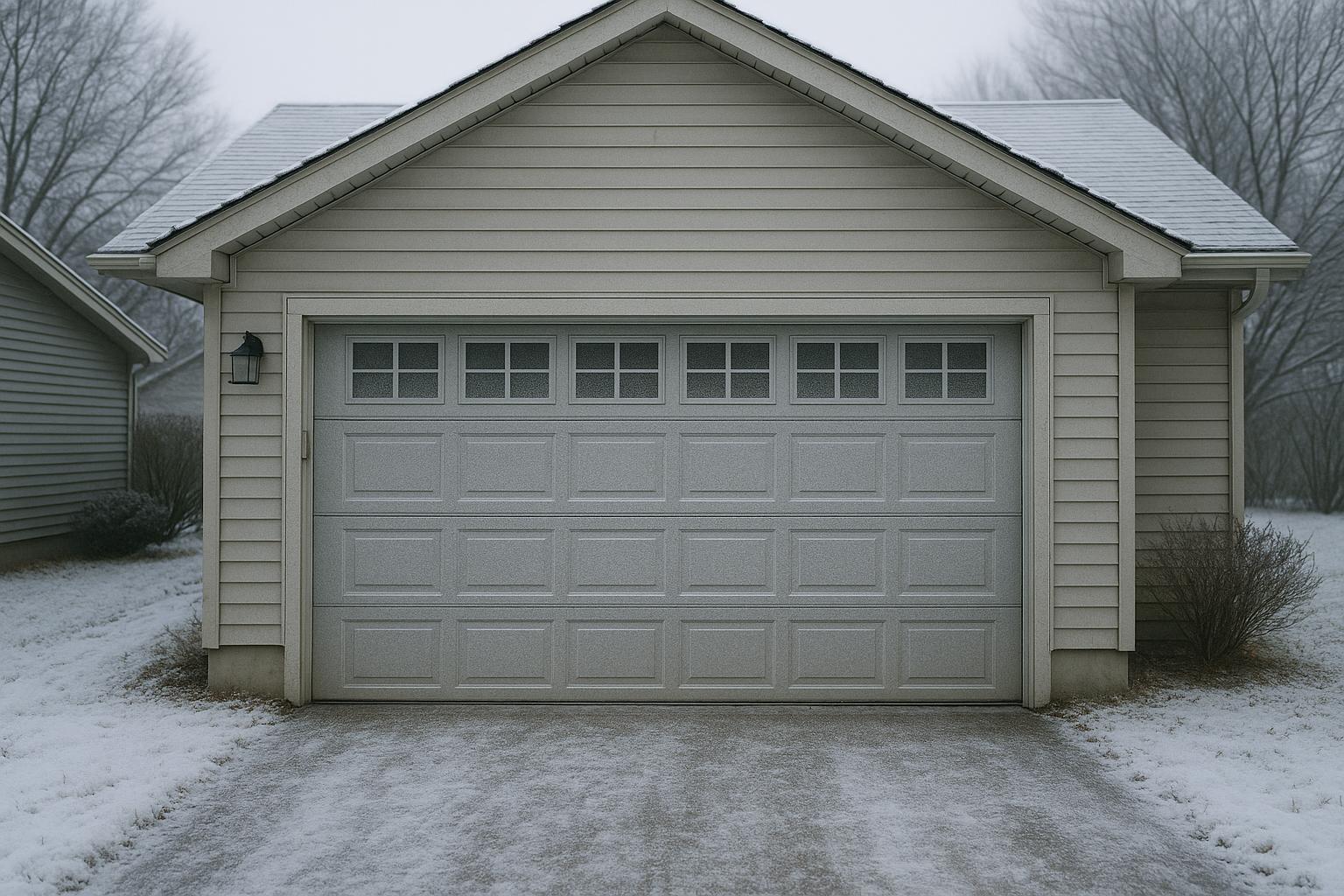
Winter Takes a Toll on Your Garage Door
If you've lived in Schenectady for even one winter, you know how brutal the cold can be. Temperatures regularly drop into the single digits, and wind chill can push things well below zero. While most homeowners think about protecting their pipes and heating systems, few consider the impact that freezing weather has on their garage door.
Your garage door is the largest moving part of your home. It has metal springs under extreme tension, an electric opener with a motor and circuit board, rubber weatherstripping, and metal tracks that expand and contract with temperature changes. Every one of these components is affected by cold weather — and when something goes wrong in January, you need it fixed fast.
Here's a breakdown of the most common cold-weather garage door problems we see across the Capital District and what you can do to stay ahead of them.
Garage Door Springs Become Brittle and Break
This is the number one winter garage door emergency we respond to. Torsion springs — the tightly wound springs mounted above your garage door — are under enormous tension. When temperatures plummet, the metal contracts and becomes less flexible. A spring that was already nearing the end of its lifespan can snap without warning on a freezing morning.
When a spring breaks, your garage door becomes extremely heavy and may not open at all. You might hear a loud bang from the garage, which is the sound of the spring releasing its stored energy.
What you can do: Unfortunately, you can't prevent a spring from eventually wearing out — they're rated for a specific number of cycles. But you can reduce the risk of a cold-weather failure by having your springs inspected before winter arrives. A technician can check for signs of wear, rust, or fatigue and recommend replacement before you're stuck with a door that won't open on the coldest day of the year.
The Garage Door Opener Struggles or Stops Working
Electric garage door openers are sensitive to extreme cold. The lubricant inside the motor can thicken, making the unit work harder to lift the door. Circuit boards and sensors can also malfunction when exposed to prolonged freezing temperatures, especially in unheated garages.
You might notice that your opener sounds strained, moves the door more slowly than usual, or stops partway through the opening cycle. In some cases, the opener's light will flash an error code, indicating that it's detecting a problem with the force or travel settings.
What you can do:
- Make sure you're using a lubricant rated for cold temperatures on the opener's chain or screw drive. Standard grease can become too thick below freezing.
- If your opener is more than 10-15 years old and struggles every winter, it may be time for a replacement. Modern openers are built with better cold-weather performance and include features like battery backup and Wi-Fi connectivity.
- Check that the opener's sensors are clean and aligned. Frost, ice, and condensation can interfere with the safety sensors at the bottom of the door tracks.
Weatherstripping Freezes to the Ground
The rubber seal along the bottom of your garage door — called the bottom weatherstrip or astragal — is designed to keep out drafts, rain, and pests. In winter, moisture can collect under this seal and freeze overnight, effectively gluing your garage door to the garage floor.
If you try to open the door while it's frozen down, you risk tearing the weatherstrip, straining the opener motor, or even damaging the bottom panel of the door.
What you can do:
- Before winter, inspect the bottom seal for cracks or damage and replace it if needed. A fresh, flexible seal is less likely to bond to ice.
- Keep the area where the door meets the floor clear of standing water and snow.
- If the door does freeze to the ground, try gently tapping along the seal with a rubber mallet or pouring warm (not boiling) water along the base to loosen it. Never force the door open with the opener.
Metal Tracks Contract and Cause Misalignment
The metal tracks that guide your garage door panels can contract slightly in extreme cold. While this contraction is small, it can be enough to cause the door to bind, stick, or move unevenly. You might hear scraping or grinding noises, or the door may appear crooked as it moves up and down.
Misaligned tracks put extra stress on the rollers, hinges, and opener, which can lead to premature wear on multiple components at once.
What you can do: Visually inspect the tracks for gaps between the track and the mounting brackets. The tracks should be plumb (vertical sections) and properly pitched (horizontal sections near the ceiling). If you notice the door binding or making unusual noises, don't try to adjust the tracks yourself — improper adjustment can make the problem worse or create a safety hazard. Call a professional to realign them.
Lubrication Dries Out or Thickens
All the moving parts of your garage door system — springs, rollers, hinges, and the opener drive mechanism — rely on proper lubrication to function smoothly. Cold weather causes standard lubricants to thicken or become gummy, increasing friction and noise.
What you can do: Apply a silicone-based or lithium-based garage door lubricant to all moving parts at least once before winter and again mid-season. Avoid using WD-40 as a long-term lubricant — it's a solvent that can actually strip away the lubrication your door needs. Focus on the spring coils, roller bearings, hinge pivot points, and the opener's rail or chain.
Preparing Your Garage Door for a Schenectady Winter
The best way to avoid a cold-weather garage door emergency is with a fall maintenance appointment. Here's what a thorough pre-winter inspection should include:
- Spring inspection — checking for rust, wear, and remaining cycle life
- Opener performance test — verifying force settings, travel limits, and sensor alignment
- Weatherstrip evaluation — replacing cracked or worn seals
- Track and hardware check — tightening brackets, inspecting rollers, and verifying alignment
- Full lubrication — applying cold-rated lubricant to all moving components
- Safety reversal test — ensuring the door reverses properly when it contacts an obstruction
At Precision Garage Door of Schenectady, we offer comprehensive maintenance services designed to catch small problems before they turn into expensive winter emergencies. We serve homeowners throughout Schenectady, Niskayuna, Rotterdam, Scotia, Glenville, and Guilderland — and we understand what Capital District winters demand from your garage door.
Don't Wait for the First Freeze
If your garage door has been making unusual noises, moving slowly, or showing signs of wear, now is the time to address it. A broken spring or failed opener on a sub-zero morning isn't just inconvenient — it can leave your home unsecured and your car trapped inside.
Give us a call to schedule a winter readiness inspection. We'll make sure your garage door is prepared to handle whatever this Schenectady winter throws at it — so you can get in and out of your garage without a second thought.